Residential Designing: A Complete Guide to Modern Home Design
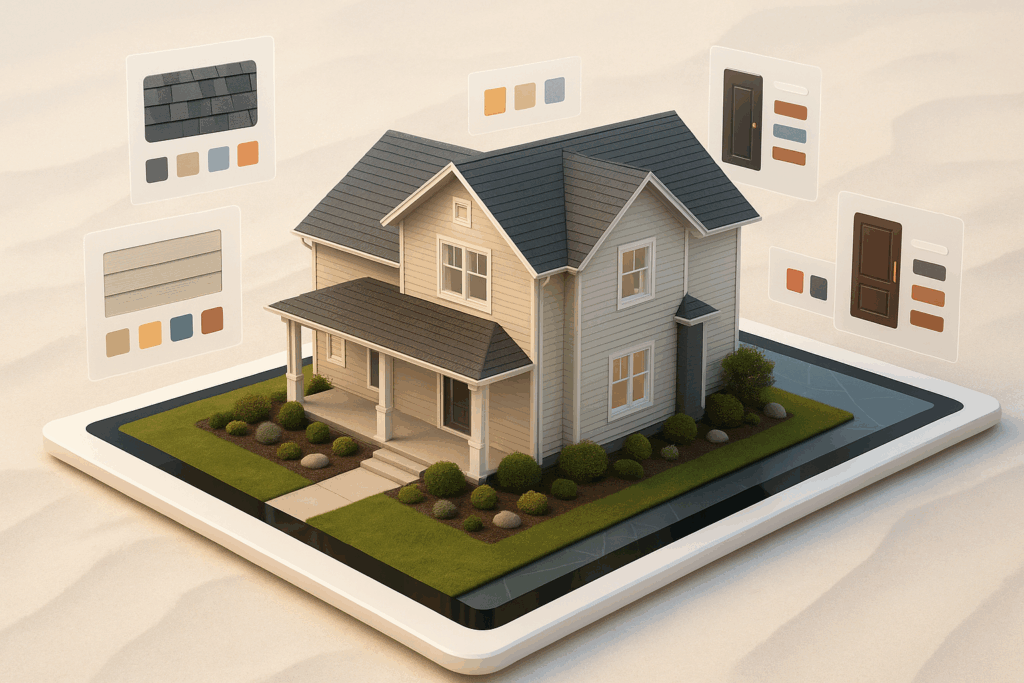
Residential designing is an essential part of creating a comfortable, functional, and visually appealing home. It focuses on planning and designing living spaces that match the lifestyle, needs, and preferences of homeowners. With the right residential design approach, any house can be transformed into a beautiful and practical living environment.
What Is Residential Designing?
Residential designing refers to the process of designing and organizing interior and exterior spaces of a home. It includes layout planning, interior design, furniture selection, lighting, color schemes, and material choices. The main goal of residential designing is to improve comfort, functionality, and aesthetics in a living space.
This type of design applies to apartments, independent houses, villas, duplexes, and bungalows.
Importance of Residential Designing
A well-planned residential design enhances both the look and usability of a home. Here’s why residential designing is important:
Improves space management and functionality
Creates a comfortable and healthy living environment
Reflects personal style and lifestyle
Enhances natural light and ventilation
Increases property value
Professional residential design ensures that every space in the home serves a purpose.
Key Elements of Residential Designing
1. Space Planning in Residential Design
Effective space planning ensures smooth movement and proper use of available areas. Open floor plans, smart storage solutions, and multi-functional spaces are key aspects of modern residential designing.
2. Color Selection for Home Interiors
Colors influence mood and atmosphere. Neutral colors provide a calm feel, while vibrant shades add energy. Choosing the right color palette is crucial in residential interior design.
3. Lighting Design for Homes
Lighting enhances the beauty and functionality of residential spaces. A combination of natural light, ambient lighting, task lighting, and accent lighting creates a balanced and welcoming home environment.
4. Furniture and Décor
Furniture should be stylish, comfortable, and proportionate to the room size. Modern residential designing often includes modular and space-saving furniture for maximum efficiency.
5. Materials and Finishes
Using high-quality materials such as wood, stone, glass, and eco-friendly finishes adds durability and elegance to residential interiors.
Popular Residential Designing Styles
Modern Residential Design: Clean lines, minimal décor, and neutral tones
Contemporary Home Design: Trend-based, stylish, and flexible designs
Traditional Residential Design: Classic elements and rich detailing
Minimalist Interior Design: Simple, clutter-free, and functional
Scandinavian Residential Design: Light colors, natural materials, and cozy interiors
Choosing the right style depends on personal taste and lifestyle.
Sustainable Residential Designing
Sustainable residential designing focuses on eco-friendly practices. This includes energy-efficient lighting, sustainable materials, proper insulation, natural ventilation, and water-saving fixtures. Green residential design helps reduce environmental impact while lowering energy costs.
Benefits of Professional Residential Designing
Customized design solutions
Efficient use of space
Improved aesthetics and comfort
Long-term cost savings
Higher resale value
Hiring a professional residential designer ensures a perfect balance between beauty and practicality.
Conclusion
Residential designing plays a vital role in shaping modern homes. A well-designed residential space enhances comfort, functionality, and visual appeal. Whether you prefer a modern, minimalist, or traditional style, thoughtful residential designing can transform your house into a dream home.