 Architectural Designing: A Complete Guide to Modern Architecture and Design
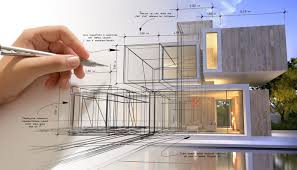
Architectural Designing is the creative and technical process of planning, designing, and constructing buildings that are functional, aesthetic, and sustainable. It plays a crucial role in shaping our homes, workplaces, cities, and lifestyles. In today’s modern world, architectural design focuses not only on beauty but also on efficiency, sustainability, and user comfort.
This blog explores the meaning, importance, elements, process, and future of architectural designing.
What Is Architectural Designing?
Architectural designing is the art and science of creating building designs that meet functional requirements while maintaining visual appeal and structural safety. It involves space planning, material selection, environmental consideration, and construction techniques.
Architects use architectural design to transform ideas into real, livable spaces that respond to human needs and environmental conditions.
Primary goals of architectural designing include:
Functionality
Aesthetics
Safety and durability
Sustainability
Cost efficiency
Importance of Architectural Designing
Architectural design significantly impacts how people experience spaces. Good architectural designing improves quality of life by creating comfortable, efficient, and visually pleasing environments.
Benefits of Good Architectural Design
Enhances living and working conditions
Increases energy efficiency
Reflects cultural and social values
Improves property value
Promotes environmental sustainability
Well-designed buildings contribute to healthier communities and smarter cities.
Key Elements of Architectural Designing
1. Functionality
Functionality ensures that spaces serve their intended purpose. Proper layout planning, circulation, accessibility, and space utilization are essential for effective architectural design.
2. Aesthetics
Aesthetics focus on the visual appearance of a building. Shape, color, texture, materials, and architectural style work together to create an attractive design.
3. Structural Design
Structural integrity is a core part of architectural designing. Architects collaborate with engineers to ensure buildings are strong, stable, and safe.
4. Sustainability in Architecture
Sustainable architectural designing aims to reduce environmental impact by using:
Energy-efficient systems
Eco-friendly materials
Natural lighting and ventilation
Renewable energy sources
Green architecture is essential for a sustainable future.
5. Environmental and Cultural Context
Architectural designs should respond to climate, location, and cultural surroundings. Contextual design creates harmony between buildings and their environment.
Architectural Design Process Explained
The architectural designing process follows several stages:
Conceptual Design – Understanding client needs and project goals
Site Analysis – Studying location, climate, and regulations
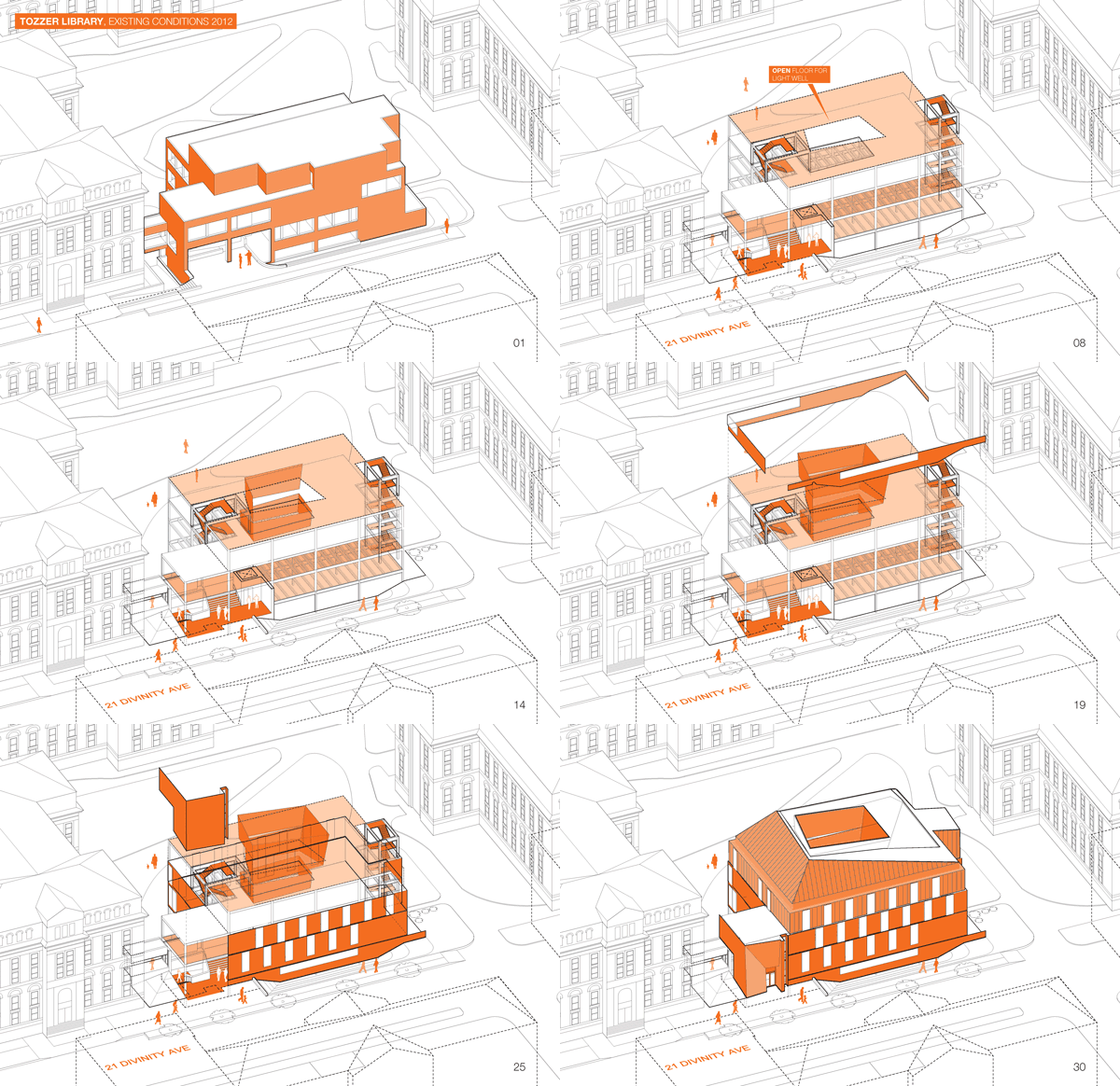
Schematic Design – Creating rough layouts and design concepts
Design Development – Finalizing materials, structure, and details
Construction Drawings – Preparing technical drawings and plans
Construction Phase – Supervising execution and quality control
This step-by-step process ensures efficient and successful project completion.
Role of Technology in Architectural Designing
Technology has revolutionized modern architectural design. Architects now use advanced tools such as:
AutoCAD
Revit
SketchUp
BIM (Building Information Modeling)
3D visualization and rendering software
These tools improve accuracy, visualization, and communication while reducing errors and costs.
Latest Trends in Architectural Designing
Some popular architectural design trends include:
Sustainable and green architecture
Minimalist design concepts
Smart buildings and automation
Biophilic design (nature-inspired architecture)
Adaptive reuse of existing structures
These trends reflect changing lifestyles and environmental awareness.
Architectural Designing as a Career Option
Architectural designing is a dynamic and rewarding career for creative individuals. Architects combine technical knowledge with artistic vision to shape the built environment. With growing demand for sustainable and smart designs, architecture offers excellent career opportunities worldwide.
Conclusion
Architectural designing is a powerful discipline that blends creativity, technology, and responsibility. It shapes the way we live and interact with our surroundings. As urbanization increases, the importance of thoughtful, sustainable, and human-centered architectural design continues to grow.
Understanding architectural designing helps us appreciate the intelligence and creativity behind every building we see.