Commercial Interior Design: Creating Functional and Impactful Business Spaces
Commercial interior design focuses on designing interior spaces for businesses such as offices, retail stores, restaurants, hotels, hospitals, and corporate buildings. A well-designed commercial interior enhances functionality, improves user experience, reflects brand identity, and increases productivity.
In today’s competitive business environment, commercial interior design plays a crucial role in attracting customers, motivating employees, and maximizing space efficiency.
What Is Commercial Interior Design?
Commercial interior design is the planning and design of interior spaces used for commercial purposes. It combines aesthetics, functionality, safety, and branding to create environments that support business goals.
Unlike residential interior design, commercial interiors must comply with building codes, accessibility standards, and safety regulations while ensuring comfort and visual appeal.
Importance of Commercial Interior Design
Professional commercial interior design directly impacts business performance and customer perception.
Benefits of Commercial Interior Design
Enhances brand image and identity
Improves employee productivity and comfort
Optimizes space utilization
Creates positive customer experiences
Ensures safety and regulatory compliance
Well-designed commercial interiors help businesses stand out and operate more efficiently.
Types of Commercial Interior Design
Office Interior Design
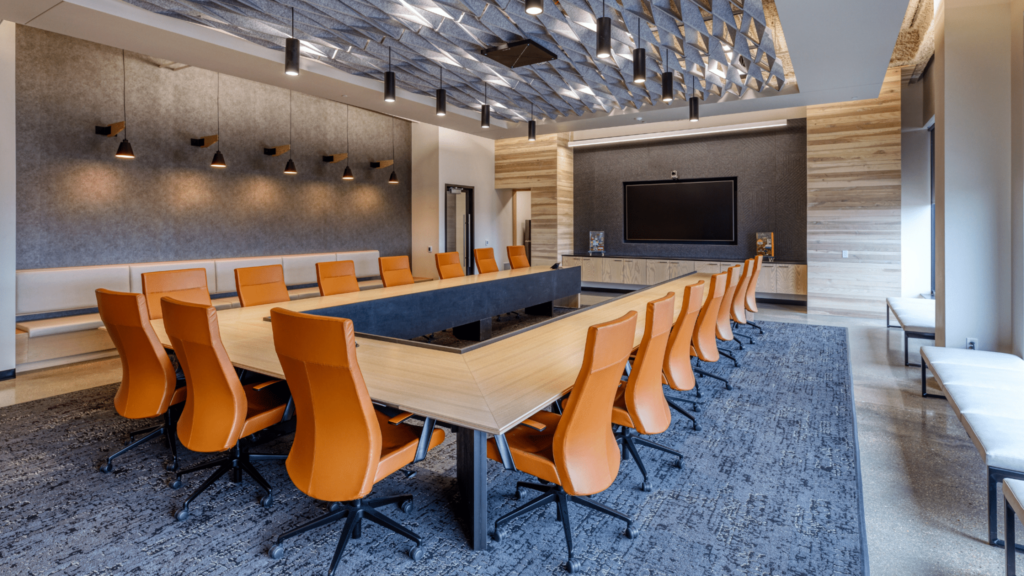
Office interior design focuses on creating productive and comfortable work environments through efficient layouts, ergonomic furniture, and proper lighting.
Retail Interior Design
Retail interior design enhances customer engagement by improving product display, store layout, and overall shopping experience.
Restaurant and Café Interior Design
Restaurant interior design combines ambiance, functionality, and customer comfort while supporting smooth operations.
Hospitality Interior Design
Hospitality interiors include hotels, resorts, and lounges, focusing on luxury, comfort, and memorable guest experiences.
Healthcare Interior Design
Healthcare interior design prioritizes safety, hygiene, accessibility, and patient comfort.
Key Elements of Commercial Interior Design
Space Planning
Efficient space planning ensures smooth movement, functionality, and maximum utilization of available space.
Lighting Design
Proper lighting improves visibility, mood, and energy efficiency while enhancing the overall aesthetic.
Material Selection
Durable, high-quality materials are essential for commercial spaces due to heavy usage and maintenance needs.
Branding and Identity
Commercial interiors should reflect the brand’s values, colors, and personality to create a strong visual identity.
Furniture and Ergonomics
Ergonomic furniture enhances comfort and productivity, especially in office environments.
Commercial Interior Design Process
A structured design process ensures successful project execution:
Client Consultation – Understanding business goals and requirements
Site Analysis – Studying layout, structure, and regulations
Concept Design – Developing design themes and layouts
Design Development – Finalizing materials, finishes, and details
Execution and Supervision – Implementing the design and ensuring quality
Final Handover – Inspection and project completion
Role of Technology in Commercial Interior Design
Technology has transformed commercial interior design through:
3D visualization and rendering
BIM (Building Information Modeling)
Smart lighting and automation systems
Acoustic and energy-efficient solutions
These tools improve accuracy, efficiency, and sustainability in design.
Latest Trends in Commercial Interior Design
Popular trends include:
Open and flexible workspaces
Sustainable and eco-friendly materials
Biophilic design elements
Smart and technology-integrated interiors
Minimalist and modern aesthetics
These trends reflect evolving work cultures and environmental awareness.
Commercial Interior Design vs Residential Interior Design
| Commercial Interior Design | Residential Interior Design |
|---|---|
| Focuses on business needs | Focuses on personal comfort |
| Must meet strict regulations | Fewer regulatory requirements |
| High durability materials | Comfort-oriented materials |
| Brand identity is essential | Personal style is prioritized |
Is Commercial Interior Design a Good Investment?
Yes, investing in professional commercial interior design improves efficiency, enhances brand perception, and increases long-term business value. A well-designed space attracts clients, retains employees, and supports business growth.
Conclusion
Commercial interior design is a powerful tool that shapes how businesses function and how customers perceive them. By combining functionality, aesthetics, and brand identity, commercial interiors create spaces that inspire productivity and success.
Whether designing an office, retail store, or hospitality space, thoughtful commercial interior design ensures long-lasting impact and business growth.